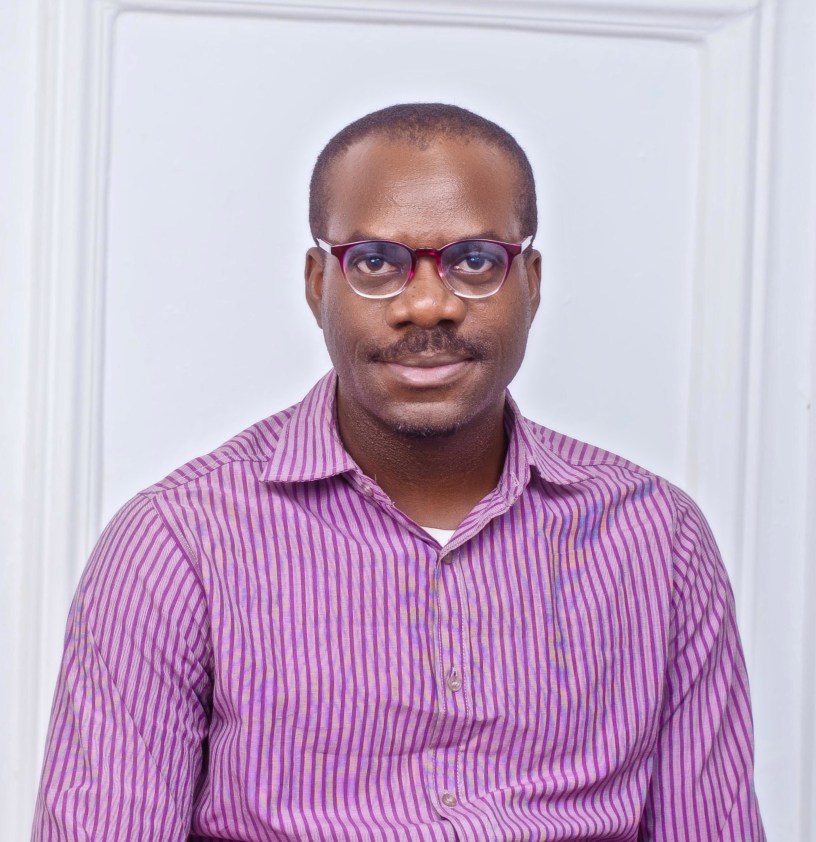
Feyisayo Anjorin is a storyteller, screenwriter, and songwriter, born in Akure, Nigeria in 1983.
He was trained as a filmmaker at AFDA Johannesburg and as a broadcaster at Damelin College, Johannesburg.
His writings have appeared in Brittle Paper, Bella Naija, African Writer, Fiction On the Web, and Bakwa Magazine.
He has worked on film and TV projects in South Africa and the UK.
1) First, I want to thank you for taking the time to do this interview with me! When did you know that writing is what you were called to do? What is it about being a writer that you love the most? What about being a writer frustrates you the most?
Thanks so much Jimmetta, it’s my pleasure to be here. My journey as a writer began quite early. I grew up in a home where books were a very significant presence. My Dad, for example, was always reading, always buying books for himself and for us, so writing was for me a response, or should I say commentary to the words and worlds I started taking in through books. I started writing in my pre-teen years. The thing I love most about writing is the freedom to create worlds with words on paper, and the fact that the world comes alive in the consciousness of the readers. The annoying part about writing is that sometimes you need other people to get your words across, and so we have gatekeepers, we have rejections, and then financial instability.
2) Can you tell us a little about your book(s) and where our readers can find out more about them and you?
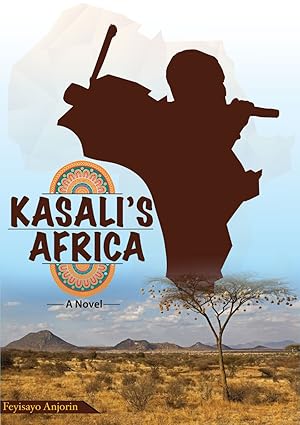
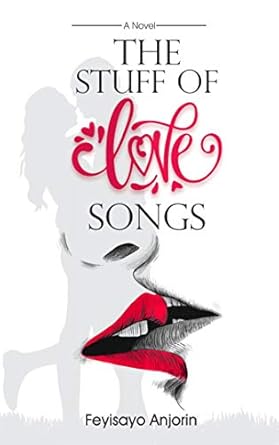
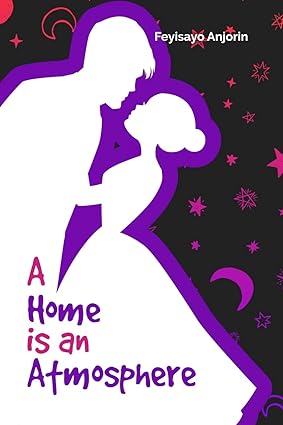
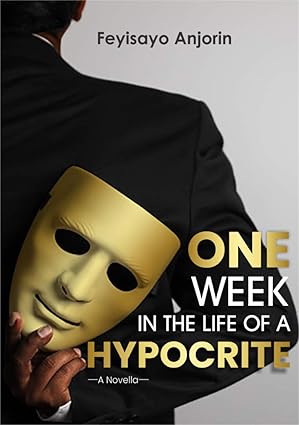
I have six works of fiction out there. The Night My Dead Girlfriend Called is the first one I wrote, and it is the only work of fantasy/science fiction, it was originally written for the magazine, Brittle Paper. Kasali’s African is my second and most popular work, probably because I drew inspiration from my childhood experience of life in Akure and our experience of the 80s and 90s Africa going through the upheavals of the cold war. Then I have two romance fiction works, The Stuff of Love Songs and A Home Is An Atmosphere, two works that are part of a three-part series, One Week In The Life of A Hypocrite and Another Week In The Life of A Hypocrite. They are available on Amazon and other bookstores in Ebook and paperback formats.
3) Where do you draw your inspiration from for the stories that you manage to weave together and the characters that you create?
Inspiration is, in a sense, like the air. It comes from various places even though one may not be able to trace the exact source of certain ideas. A writer is a reader that is far ahead of the average reader, which is a goldmine of ideas, then personal experience shapes one and affects one’s worldview. Music is also a great source of inspiration. I’ve written a couple of short stories just from listening to the songs of rappers like Eminem and Tupac. I sometimes create characters based on real-life people I know.
4) Do you have a schedule for when you write? Do you outline your novels? How long does it generally take you to finish a novel? What projects are you currently working on?
I really do not have a schedule, the simplicity of my life is that apart from family commitments my life is centered around reading and writing. For novels I started with having an outline, but I noticed that all my work that has outlines are imprisoned in my laptop, it was when I started allowing the characters to interact freely based on who they are and their motivations that I was really about to get work out there. When I wrote The Night My Dead Girlfriend Called, I had no idea how it would end. I think it is only The Stuff of Love Songs that I knew how it would end right from the start. For the others, I was just exploring with the characters.
5) What’s the first book you ever read that really moved you emotionally? Who is your favorite author to read? What book are you currently reading?
An American Marriage was that book that did that for me emotionally. I was routing for that marriage but at the same time I felt for the lady, I had to be honest with myself that she was in a very difficult position, so I didn’t pontificate as I would have done with a different story. Currently I’m reading The Woman Next Door by Yewande Omotoso. My favourite author to read is Jennifer Nansubuga Makumbi.
6) What has been your most significant achievement as a writer thus far? Where do you see yourself within your career in the next five years?
My most significant achievement is living on a writer’s wage. I do this full time, I was aware of the risk when I started, and now it amazes me that I’ve been able to take care of my family from my earnings as a writer. I write screenplays too, so in the next five years I see myself winning an award for scriptwriting in the film industry.
7) How have you dealt with rejection within your writing career? What is your advice for other writers to better be able to cope or navigate their way through the publishing process, be it traditional or self-publishing?
Rejection? One of my favourite songs during my undergraduate years in Johannesburg was I Get Up Again my South African Singer/Songwriter, Danny K. It is basically a summary of what every writer should do to keep going. For the journey through the publishing process, I would say, just be prepared. It is a marathon, not a 100 meters dash.
8) Do you find it hard to juggle the creative side of being a writer against the business side of being a writer, in terms of marketing and promotion and things of that nature? How hard has it been (or easy) for you to build up your author platform?
It is hard. As far as I am concerned a writer should focus on writing, a writer is not a businessman. But one should be flexible too, there are many marketing opportunities out there. It doesn’t hurt to send a hundred emails to a hundred magazines to share the news of the release of your book or to submit short stories to a hundred magazines that can publish them. If you get four responses out of a hundred then you have a platform. It is hard, but not impossible, and since it is not impossible, then it should be done.
9) So many writers say that they hate reading their own work. Do you ever enjoy reading your own work back to yourself after it’s out there for the rest of the world?
I love reading my short stories in magazines because I’m more of a short story writer than a novelist. I find it hard to sit through my longer works.
10) Do you believe that there is ever a point in life where it’s too late for an aspiring writer to become successful in this industry? Do you feel a late start would hinder their chances?
It is only too late when the aspiring writer is dead. A late start will not hinder the success of a writer who has something to say, and the capacity say it quite well.
11) I feel like writing is a remarkable tool to help people not only express themselves, but also to cope emotionally and mentally. I know for me I write to be and feel more authentic. What unique quality is there about you, about your art, that you feel represents your authenticity? How does writing help you to be more empowered in your purpose?
One unique thing about me is that even if I have made up my mind about you as far as morality is concerned, I would still want to listen to you and hear what you want to say. I write as if I’m presenting my characters in a court room and the audience are the jurors. I want to hear what a rapist has to say for example, I want to see the human being behind his or her expression as a monster. So the belief that every human being deserves a chance at self-expression has helped me to write true relatable characters. Writing has helped me to understand humanity and not be simplistic in judging things.



 Write 2 Be Magazine